What Houston Businesses Overlook About Alarm Monitoring Response Times
Alarm systems are not just boxes on the wall or cameras on the ceiling. For a business in Houston, what really matters is how fast someone responds when that system goes into alarm. The difference between a two-minute delay and a ten-minute delay can mean the difference between a small incident and a long, painful cleanup.
Think about a late-night break-in at a retail store or restaurant during a busy weekend. The alarm trips, lights flash, maybe a camera records it. If monitoring staff move quickly, law enforcement can be on the way while the intruder is still inside. If they move slowly, the intruder may have plenty of time to grab what they want, damage doors and windows, and disappear. In this article we talk about what really affects alarm monitoring response times, how Houston’s unique risks fit in, and what you can do to design your security around speed, not just hardware.
Faster Response, Smaller Losses
In a real emergency, time is the one thing you never get back. During a break-in, a fire alarm, or a panic button press, every minute of delay can increase:
• Theft or missing inventory
• Damage to doors, windows, gates, and equipment
• Downtime while repairs are made
• Lost customer trust after repeated incidents
Many owners feel better just knowing they “have an alarm.” They sign up for security alarm monitoring in Houston and assume everyone responds about the same. But different providers can have very different response times, especially during busy hours at night or on weekends.
Houston has its own set of risks. Warmer months often bring more late-night activity and more chances for property crime. Strong storms can knock out power or trigger alarms, and if a monitoring center is not ready, queues can back up. Staffing issues at remote centers can also slow things down when call volume spikes. The bottom line is simple: the box on the wall is not the full story; the speed behind it is.
The Hidden Gaps in “24/7 Monitoring” Promises
“24/7 monitoring” sounds clear, but it can mean different things in practice. Some centers run with small teams during certain hours or send alarms to out-of-state operators who do not know Houston or the way local response works.
Here is the basic response chain for most systems:
• Alarm signal is sent from your system
• Monitoring center receives it
• Operator verifies the alarm
• Operator decides what to do next
• Law enforcement, fire, or your contact list is called
Delays can sneak in at any of these steps. If the center is understaffed, your alarm may sit in a queue. If the operator is new to Houston, they might stumble on street names or jurisdiction details. If they are juggling too many calls during a big storm or a high-crime weekend, minutes can slip away before anyone takes action.
Houston is a large metro area with its own rhythms. Major events, traffic problems, and summer storms can all push call volume higher. Generic monitoring setups that are not built with local patterns in mind may simply not keep up when your business needs them most.
How Slow Alarm Verification Costs Minutes You Do Not Have
Verification is the step where the monitoring center checks if an alarm looks real. This process matters because local authorities try to avoid sending officers or fire crews to obvious false alarms. But slow methods of verification can cost you precious time.
Older verification setups often rely only on phone calls. An operator might:
• Call the main business number
• Call one or more contact people
• Wait for someone to answer or call back
If no one picks up or if contacts do not notice an unknown number, this can drag on. All the while, the incident is still in progress.
Modern security alarm monitoring in Houston should do more than just place calls. Faster options can include:
• Video verification, where operators see camera views right away
• Two-way audio, to speak into the site or listen for signs of a real break-in
• Secure text alerts and app notifications, so contacts can reply quickly
• Pre-set rules for different business types, such as retail, warehouse, office, or restaurant
With clear protocols, operators know exactly when to verify, when to call, and when to dispatch without delay. That can shave off minutes at the point when seconds feel very long.
Houston Law Enforcement Realities Most Owners Miss
Once an alarm is verified, the next piece is how fast help can get to your property. In large cities like Houston, dispatch priority often depends on the type of alarm and how strong the evidence is.
In many cases:
• Verified alarms move ahead of unverified ones
• Life-safety events such as fire or panic alarms are treated as top priority
• Repeated false alarms from the same site can lower priority or trigger fines
Houston’s size makes travel time a real factor. Traffic, road construction, trains, and large events can all slow down how fast an officer can reach your address. Heavy rain or stormy conditions can stretch response resources even more.
Working with a monitoring provider that understands Houston helps here. Knowledge of local jurisdictions, alarm permit rules, and false-alarm ordinances can:
• Reduce back-and-forth during dispatch
• Cut confusion over which agency should respond
• Lower your risk of fines from repeat false alarms
All of this adds up to better use of the time you have in a real emergency.
Designing Your System Around Response, Not Just Devices
Many people design security systems like a checklist. Put a camera here, a sensor there, and a keypad by the back door. A better way is to design with response in mind, so your system makes it easy to confirm an event and guide help to the right spot.
Helpful design choices can include:
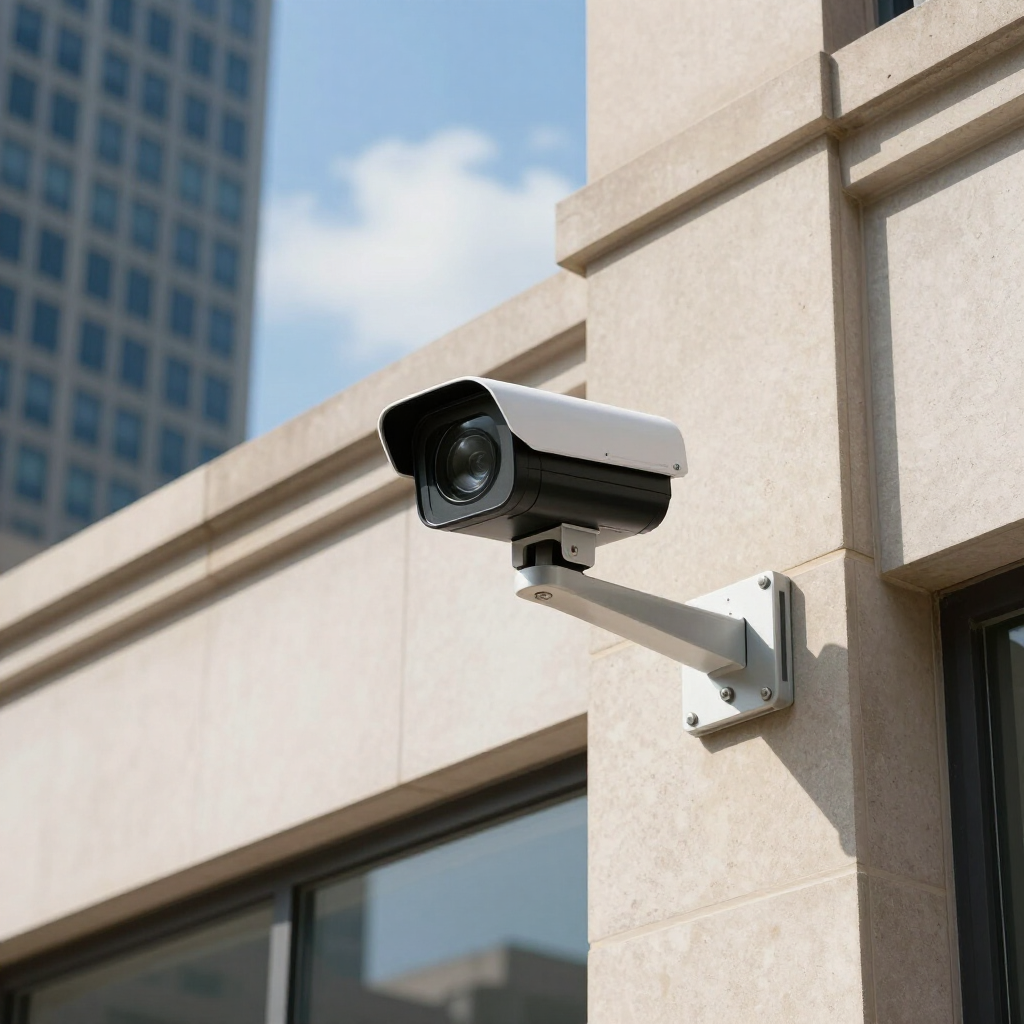
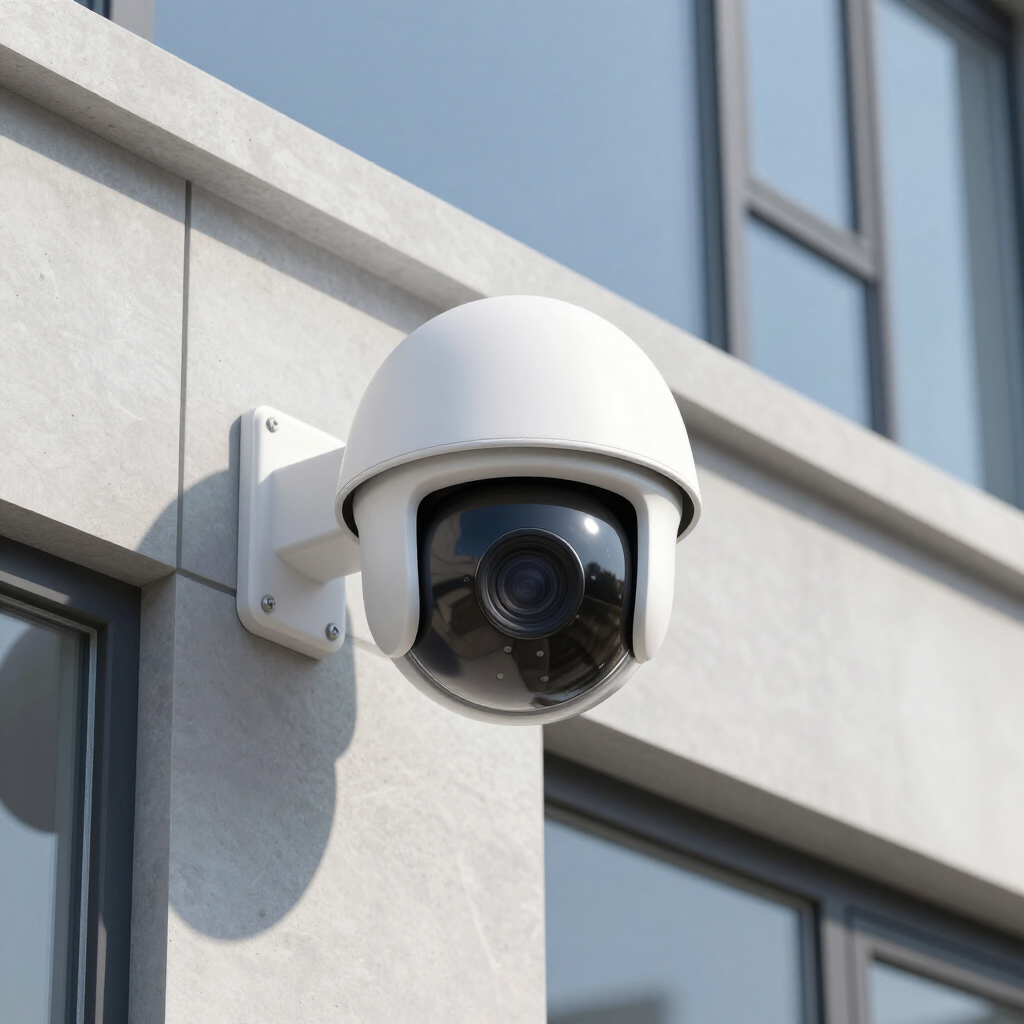
• Cameras pointed at doors, cash areas, gates, and parking lots for clear video proof
• Glass-break and door sensors to show exactly where entry happened
• Panic buttons for staff in front areas and offices
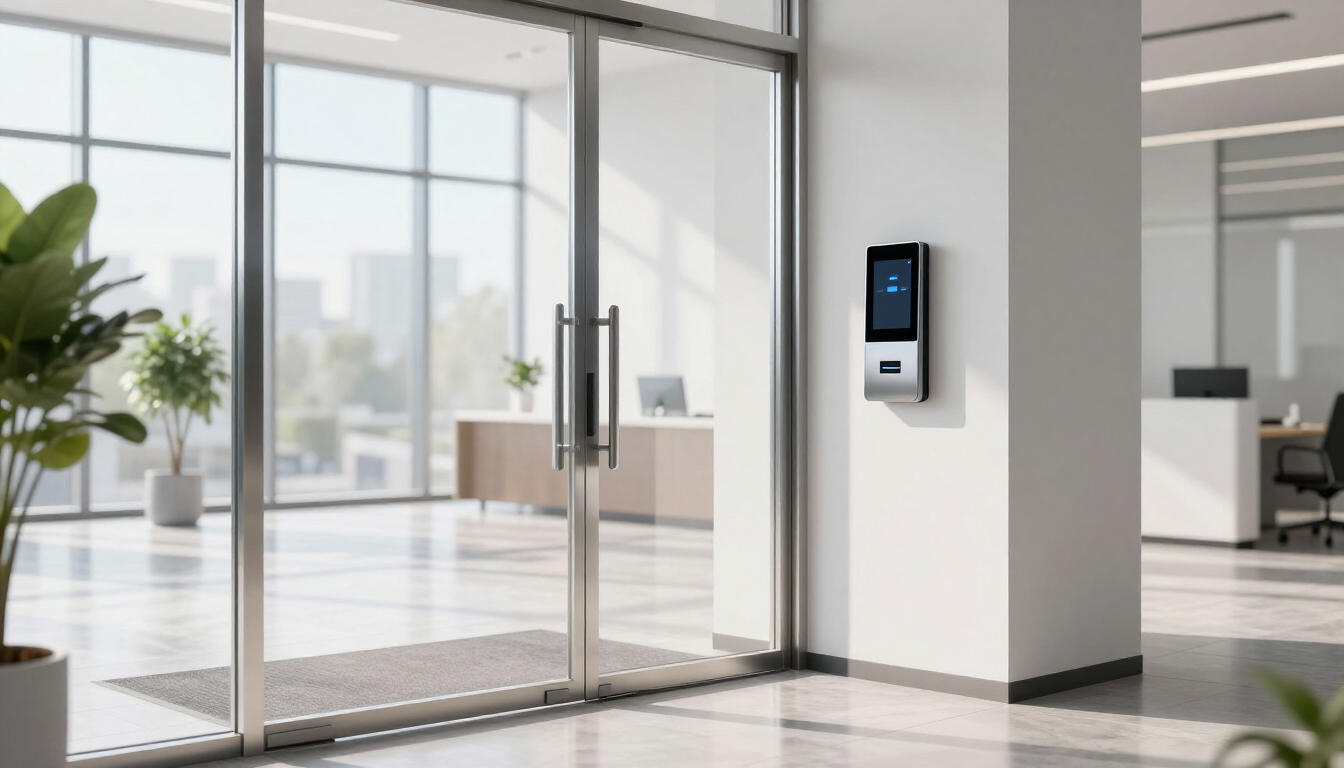
• Access control on key doors, so operators know which doors are open or locked
When alarms, security cameras, access control, and fire alarms work together, operators can see a fuller picture. For example, they might see that a side door sensor tripped, a camera shows someone forcing the door, and an interior motion detector activated. That level of detail lets them explain the situation to first responders and guide them to the right entry point.
Different Houston business types need different designs. For instance:
• Restaurants may focus on back door entries, cash areas, and after-hours deliveries
• Medical offices may need coverage on medication storage and records rooms
• Industrial sites may need more attention on gates, yards, and loading docks
When the system is tailored to the way your site really operates, the monitoring center does not waste time guessing what is happening. They can act faster, with more confidence, and that can limit damage before it grows.
Protect Your Home With Reliable 24/7 Monitoring
If you are ready to secure your property with professional eyes on your system day and night, our team at Avenger Security is here to help. We provide customized
security alarm monitoring in Houston tailored to the way you live and work. Reach out today so we can review your needs, recommend the right setup, and get your monitoring service started without delay.